The decor trends for 2024 are not just about a change in palette or a new style to copy from social media. They reflect a deeper shift: environmental regulations, the structuring of reuse, and the arrival of the digital product passport are reshaping the criteria for choosing furniture and interior decor items.
Regulations and traceability: what concretely changes for decor furniture
The regulatory framework has tightened in two phases. The display of the Triman logo has been mandatory since December 15, 2022 for furniture, and since August 25, 2023, for textile decor items. This marking guides consumers towards donation or recycling and modifies the product sheets of most brands.
The European regulation ESPR (EU 2024/1781), which came into effect on July 18, 2024, goes further. It places furniture among the priority categories for repairability requirements and prepares for a digital product passport within the 2025-2030 work framework. In practice, we observe that European manufacturers are already anticipating these obligations by documenting the traceability of the materials used.
For an interior decor project, this means that the choice of a piece of furniture or an object is no longer based solely on aesthetics. Verifiable durability becomes a selection criterion, and the decor trends for 2024 reflect this evolution: pieces designed to last and be repaired are gaining ground over disposable furniture.
Refurbished furniture and reuse: an underestimated decor lever
Reuse is no longer just for Sunday treasure hunters. Purchasing centers like Resah have been offering framework agreements since 2024 that combine consulting, site visits, delivery, and installation of refurbished furniture for professional use. This model applies to offices, furnished rentals, and retail spaces alike.
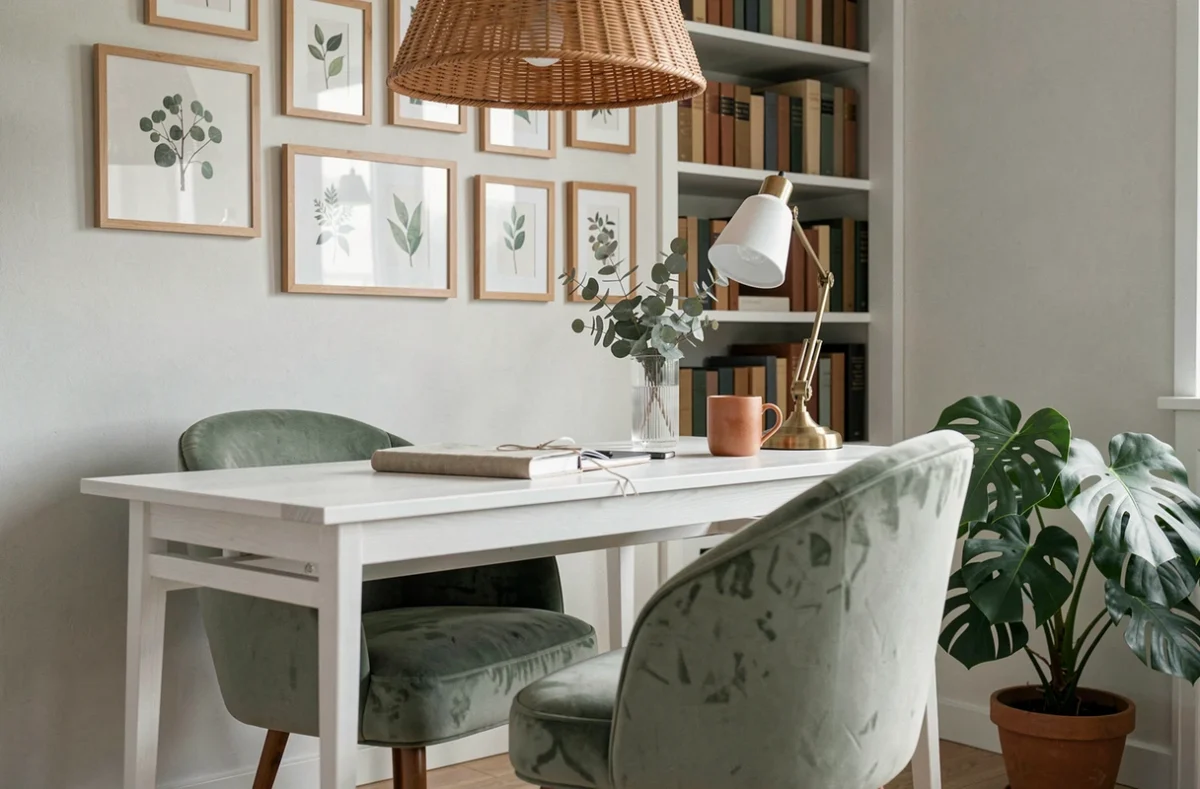
We recommend integrating this approach into a residential decor project. An industrial buffet from the 1960s or a reclaimed solid oak table brings a uniqueness that no catalog can replicate. On Madmoizl Déco’s decor site, inspirations blending antique pieces and contemporary elements illustrate this trend towards a reasoned mix.
Reuse imposes a constraint that magazines often overlook: the supply remains very uneven across regions. The decorative project must be adapted to the pieces actually available rather than trying to replicate a Pinterest image exactly. This flexibility, far from being a disadvantage, encourages more personal choices.
Saturated colors and raw materials: the decor palette for 2024 in practice
Bright shades are taking over from the omnipresent neutrals of recent years. Deep orange, saffron yellow, brick red: these colors are making their way onto a wall, a sofa, or textile accessories. A common mistake is to saturate the entire room.
Our approach: limit strong color to one-third of the visible surface in the living room or bedroom. The rest of the space retains earthy tones or off-whites that absorb intensity without extinguishing it.
Materials to prioritize this year
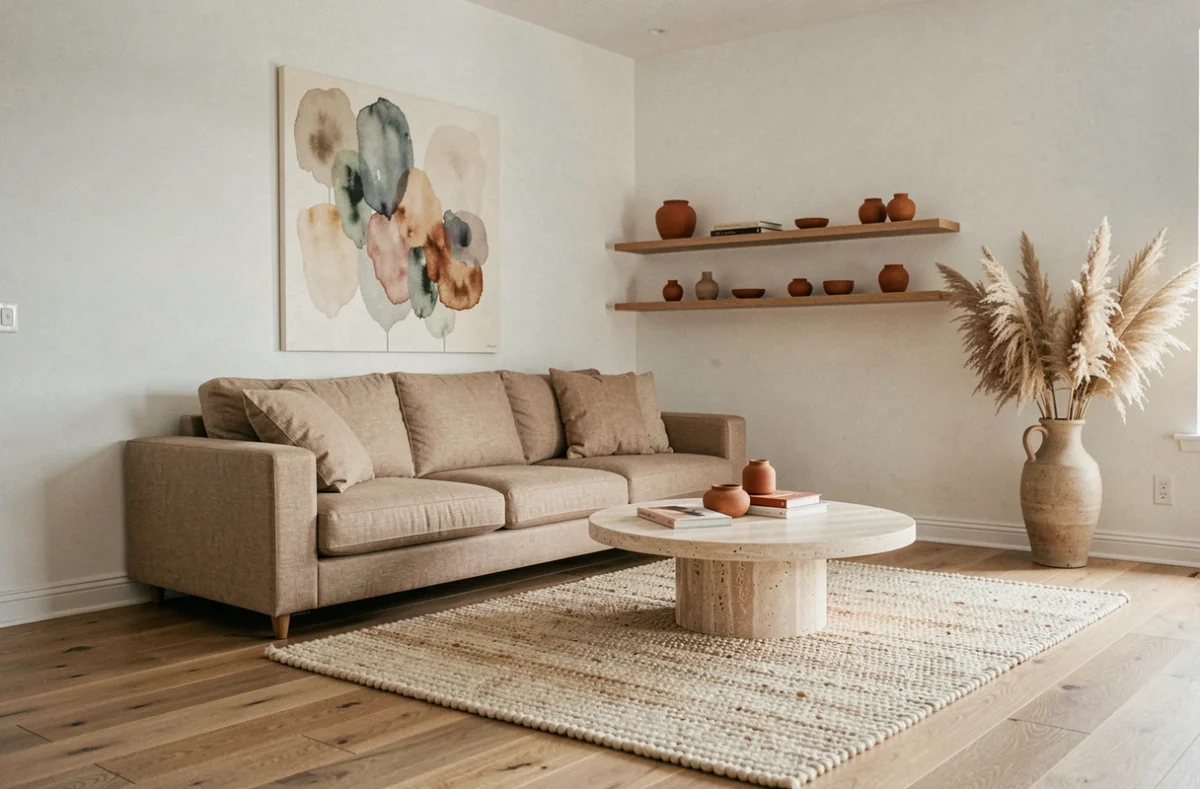
- Natural stone (travertine, terrazzo) is making a strong comeback for countertops, coffee tables, and architectural elements, providing a texture that laminate cannot replicate
- Full-grain leather, used on a seat or cushion, ages better than faux leather and aligns with the durability logic of the ESPR regulation
- Chrome finishes, in small touches (lamp bases, handles, mirrors), add a futuristic dimension without overwhelming the ambiance
Chrome works in micro-doses: a light fixture, a frame, a table leg. Multiplying reflective surfaces in the same space creates a clinical effect to avoid.
Biophilic design and curved volumes: transforming space without heavy work
Biophilic design is not just about placing three green plants on a shelf. It involves integrating organic shapes, living materials, and optimized natural light into the overall layout of the room.
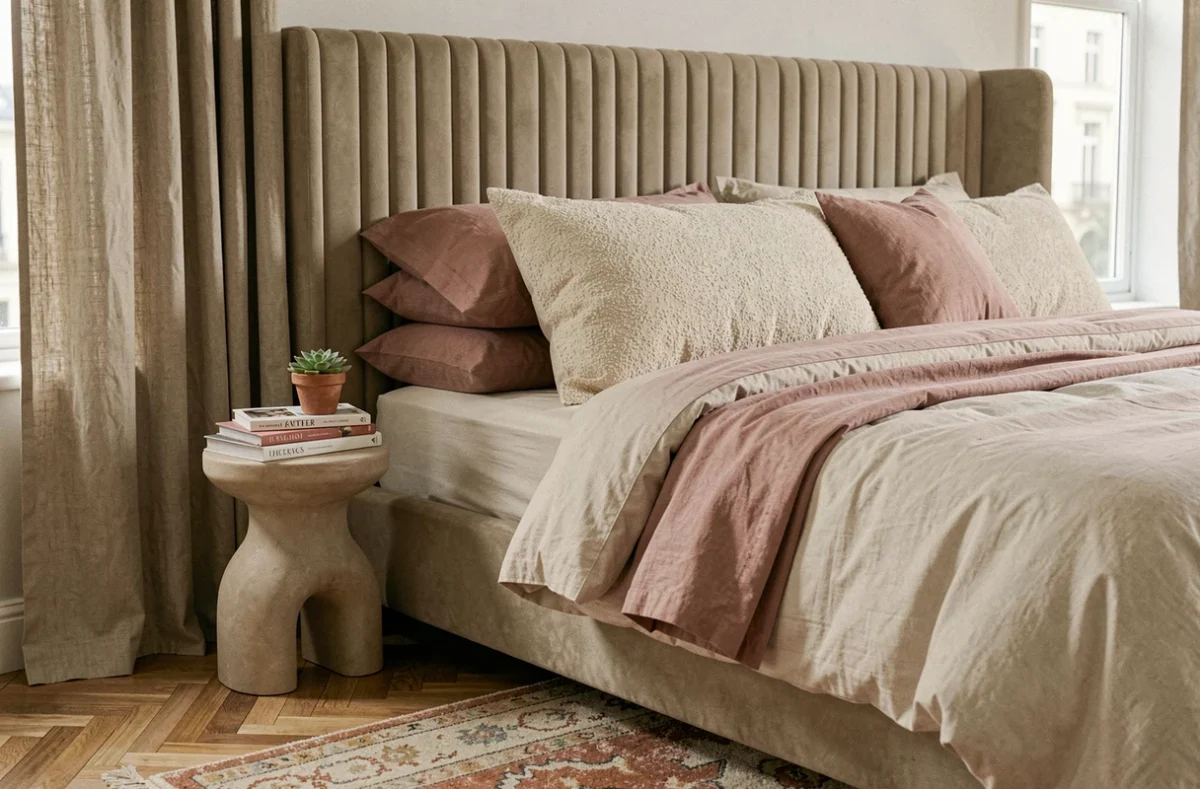
Curved volumes are gradually replacing strict geometric lines. Decorative plaster arches, oversized oval mirrors, sofas with rounded backs: these elements soften the perception of an interior without touching the structural work.
Three high-impact interventions for a limited budget
- Replacing a rectangular mirror with an arch-shaped model above an entryway piece, which immediately changes the perception of the space
- Installing a panoramic wallpaper with a plant motif on just one wall of the living room to anchor the biophilic ambiance without repainting the entire room
- Swapping door and cabinet handles for brushed brass or stone versions: the detail is discreet, but the cumulative effect on the overall room transforms the perception of style
These modifications require neither a craftsman nor a permit. They fit into an iterative logic: test a change, observe its effect in daily space, then adjust.
Patterns and textures: going beyond minimalism without falling into excess
The return of patterns (wide stripes, reimagined cement tiles, large-scale floral prints) marks a clear break from the all-solid colors of previous years. The technical difficulty lies in the dosage.
We recommend never layering more than two families of patterns in the same room. A striped rug can coexist with floral-patterned cushions, provided the color palette remains coherent. Mixing three patterns or more creates visual noise, not personality.
Textures play a complementary role. A lime plaster wall, a boucle wool throw, a raw stone vase: these tactile surfaces add depth to a modern interior without resorting to additional colors. The decor trend for 2024 values this sensory richness as much as the visual aspect.
The common thread of all these evolutions remains the same: choose fewer pieces, but better sourced and more durable. European regulations are pushing in this direction, the reuse market is organizing to meet demand, and current color palettes reward interiors where each object has been thoughtfully chosen rather than accumulated.