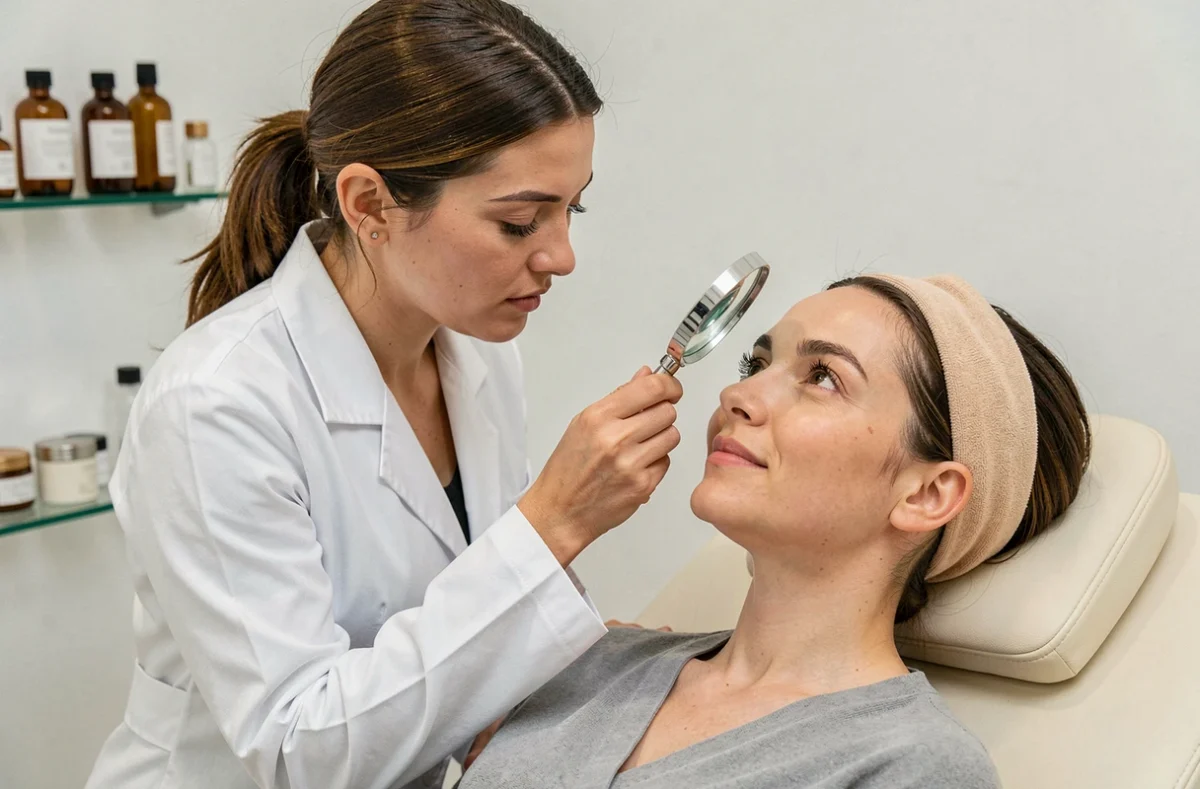
The cosmetologist occupies a pivotal position between laboratory formulation and regulatory compliance of cosmetic products. Their scope of expertise goes far beyond texture creation: they oversee the safety, stability, and traceability of a product from the marketing brief to the notification on the European CPNP portal.
Regulatory Compliance: The Technical Foundation of the Cosmetologist
Cosmetology has shifted towards a compliance-oriented profession. The European regulation EC 1223/2009 mandates the creation of a product information file for each reference placed on the market. This file includes safety assessments, a description of the manufacturing method, proof of claimed effects, and stability data.
The cosmetologist coordinates the responsible person for the product, toxicologists, and regulatory affairs. They ensure that each ingredient complies with the annexes of the regulation, that good manufacturing practices ISO 22716 are applied, and that the CPNP notification is complete before any commercialization.
The overlap with REACH and CLP regulations further complicates the work. A substance reclassified as CMR (carcinogenic, mutagenic, or reprotoxic) under the CLP can trigger an almost immediate ban in cosmetics. We observe that this ongoing regulatory monitoring now constitutes a significant part of daily life, well beyond the laboratory bench. To delve deeper into the missions on My French Touch, the complete scope of the profession is detailed precisely there.
Cosmetic Reformulation: Fragrance Allergens and Microplastics
Two regulatory projects require the cosmetologist to undertake massive reformulation work. The first concerns fragrance allergens: new products must meet labeling requirements by July 31, 2026, while products already on the market have a deadline until July 31, 2028. This constraint directly affects the formulation of fragrances, skincare, and makeup.
The second project focuses on the restriction of microplastics. The European timeline outlines staggered deadlines:
- Rinse-off products (shower gels, shampoos, exfoliants) must be reformulated by October 2027, which requires finding alternatives to polyethylene beads and synthetic texture agents.
- Leave-on products and fragrance encapsulations have a deadline set for October 2029, allowing time to validate the stability of substitutes.
- Some makeup products, for lips and nails, benefit from an extended deadline until October 2035, due to the technical difficulty in replacing certain film-forming polymers.
Each reformulation involves retesting for stability, efficacy, and skin tolerance. The cosmetologist cannot simply substitute an ingredient: they must ensure that the sensory profile, preservation, and safety of the finished product remain compliant with the initial specifications.
Formulation and INCI List: Technical Reading of Cosmetic Ingredients
Mastery of the INCI nomenclature (International Nomenclature of Cosmetic Ingredients) distinguishes the cosmetologist from other beauty professions. This standardized nomenclature allows for the unambiguous identification of each ingredient, regardless of the target market.
In formulation, the cosmetologist selects active ingredients based on the marketing brief, the targeted skin type, and regulatory constraints. They balance proven efficacy and tolerance, considering interactions between ingredients. An anti-aging serum for sensitive skin does not use the same emulsifiers as a high-protection sunscreen.
Rigor extends to the claims made on packaging. Environmental claims (natural, organic, clean) are governed by strict criteria. The cosmetologist must be able to justify each mention with technical data, under penalty of reclassification by regulatory authorities.
Technical Skills Expected in the Laboratory
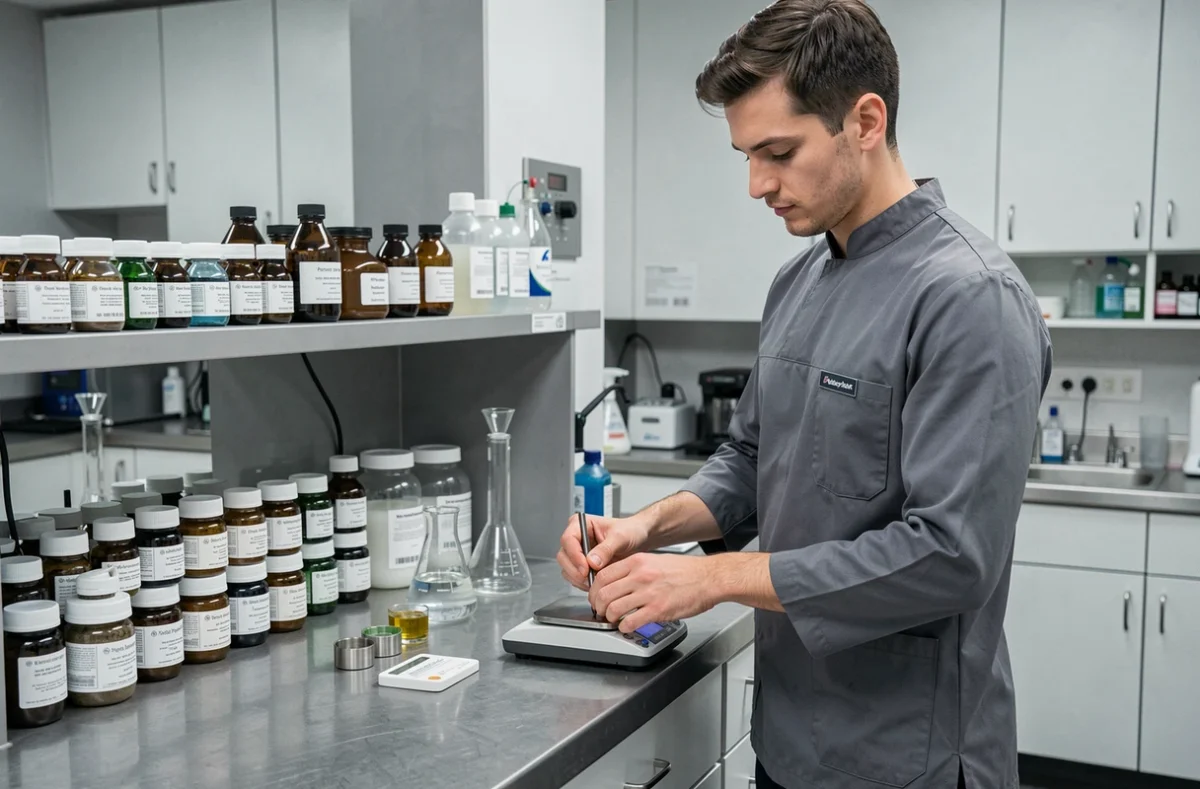
Bench work remains central. The cosmetologist conducts formulation trials, adjusts pH, controls viscosity, and schedules accelerated aging tests. They document each iteration in the product’s technical file.
Knowledge of surfactant chemistry, preservative systems, and emulsions (oil in water, water in oil, multiple emulsions) determines the quality of the finished product. A cosmetologist without skills in physical chemistry cannot formulate.
Cosmetologist and Aesthetician: Distinct Roles in Beauty Care
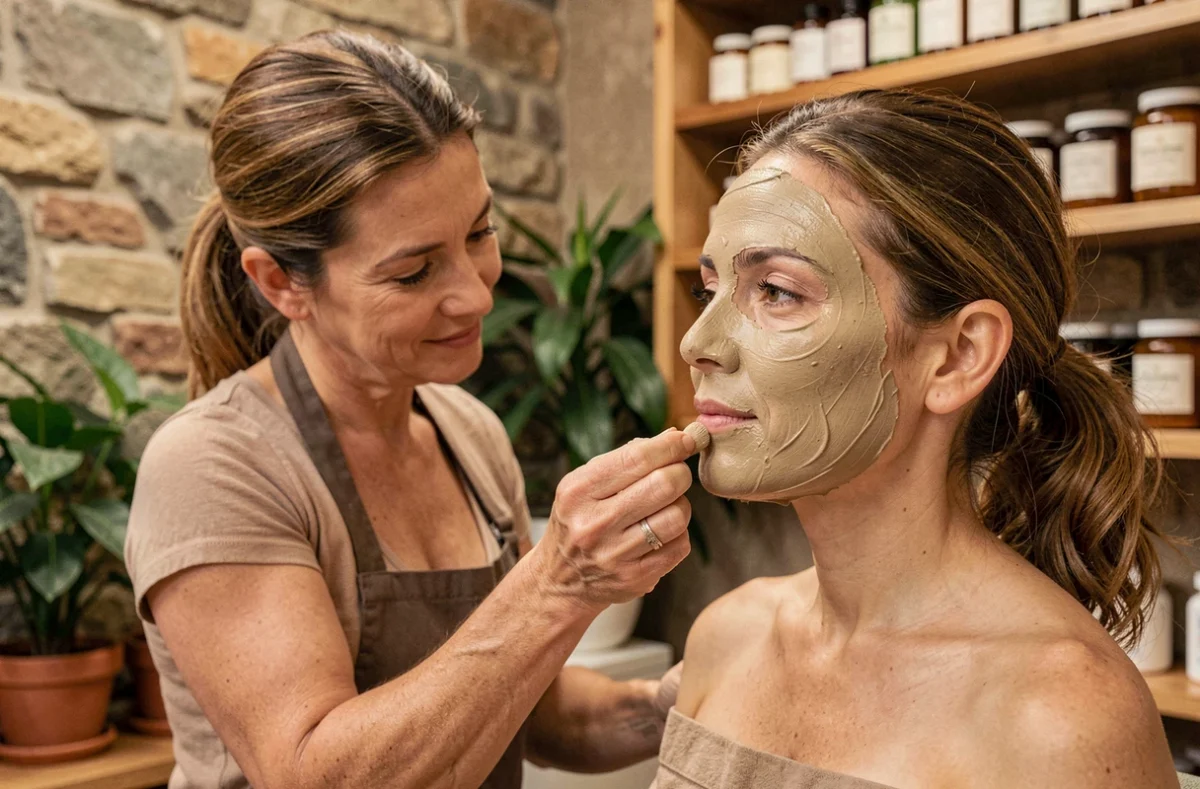
The confusion between cosmetologist and aesthetician persists. The aesthetician applies cosmetic products and performs treatments in a salon. The cosmetologist designs these products. Their training diverges: a CAP in Aesthetics-Cosmetics-Perfumery opens the door to practice in a salon, while cosmetology requires a scientific curriculum focused on chemistry or biochemistry, generally up to a master’s degree for positions in formulation and research.
In a company, the cosmetologist interacts with both marketing and industrial production. They translate a product concept into a stable, industrializable, and compliant formula. This interface role requires project management skills that technical training alone does not always cover.
Evolution Towards Cross-Functional Roles
Experienced cosmetologists move into positions of scientific leadership, formulation management, or regulatory affairs consulting. Specialization in sustainable cosmetics and eco-design also opens opportunities in consulting firms and certification bodies.
The profession of cosmetologist is redefined with each wave of regulation. The ability to anticipate restrictions on substances, to reformulate under time constraints, and to document each technical decision distinguishes a competent formulator from a well-rounded professional. This growing demand positions the cosmetologist as a strategic player in the beauty industry, well beyond the laboratory.