Belgium applies a partially regionalized highway code. Brussels, Flanders, and Wallonia do not share all the same rules, and the gaps are widening as each Region legislates on its own environmental standards and technical control. Understanding these divergences has become a prerequisite for any driver who regularly travels in Belgian territory.
Technical control in Flanders: the new periodicity of 2026
Flanders has modified its technical control schedule for passenger cars. Starting from September 2026, the first inspection occurs four years after the vehicle is put into circulation, then the periodicity changes to every two years. The change doesn’t stop there: the time allowed to repair certain major defects is extended from fifteen days to two months.
This reform eases the administrative burden for Flemish owners, but it creates an additional gap with the other two Regions. A driver moving from Antwerp to Namur must therefore recalculate their schedule.
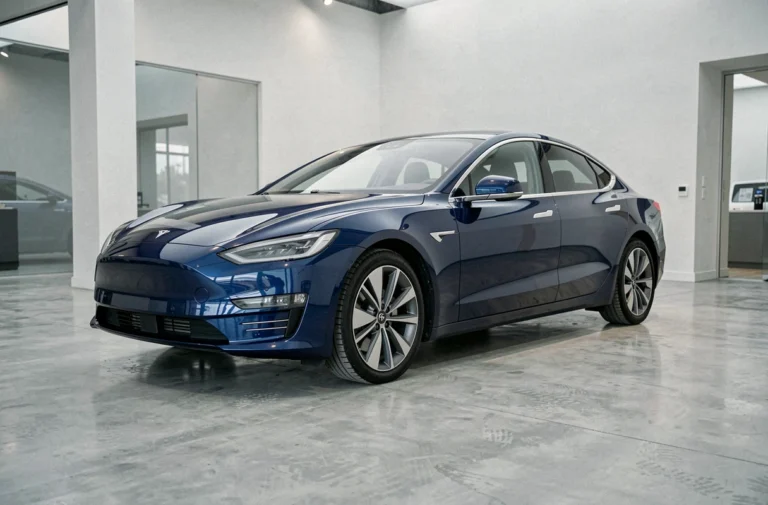
For electric vehicles, the issue of technical control takes on a particular dimension. The absence of an exhaust system simplifies part of the inspection, but centers must now check the integrity of the high-voltage system. Recent models incorporate onboard diagnostics that Flemish centers are beginning to utilize directly, which speeds up the procedure. We recommend checking with your Region’s control center for the specifics applicable to your vehicle before you go.
Specialized resources compile the specifics of the Belgian automotive market, and the Longdrivers Belgium website details the categories of vehicles and their regulatory constraints specific to the country.
Low emission zones in Belgium: three Regions, three schedules
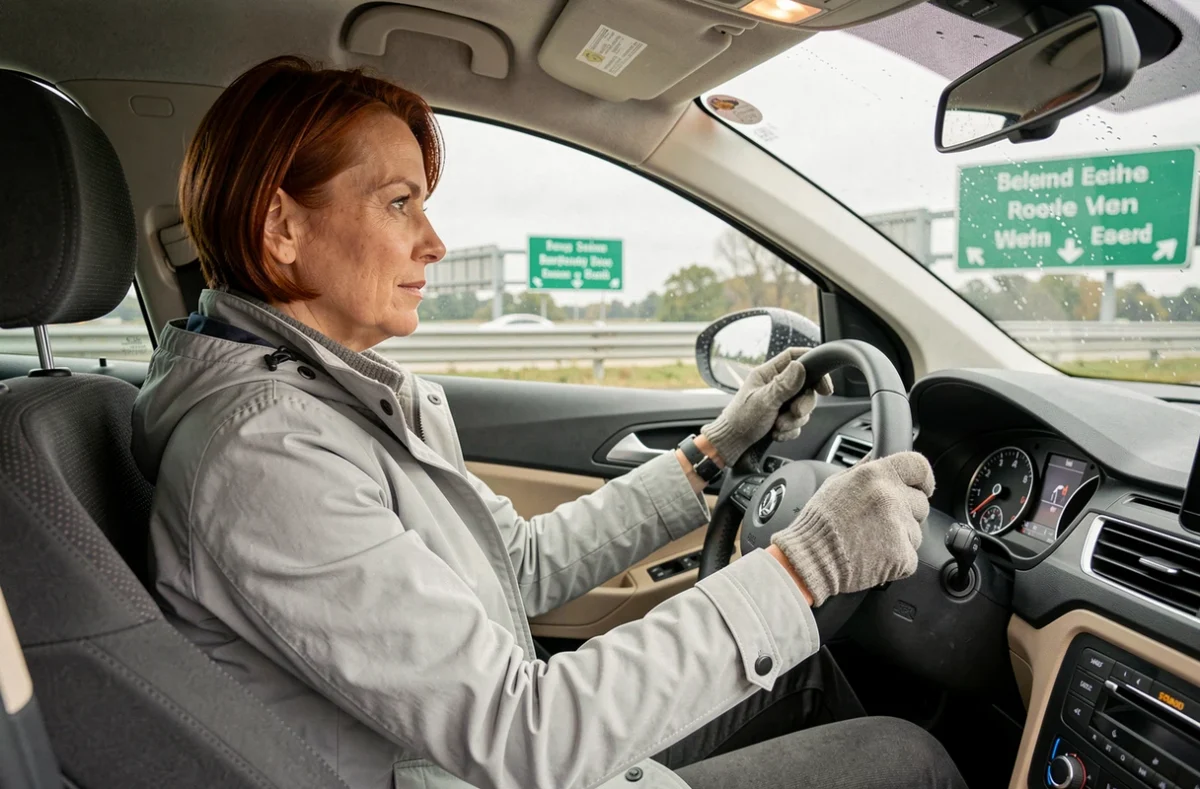
As of January 1, 2026, Brussels excludes Euro 5 diesels and Euro 2 petrol vehicles from its LEZ. This measure affects a significant volume of vehicles still in circulation, particularly vans and used cars that entered the Belgian market in the 2010s.
In Flanders, the tightening planned for the same categories of diesels has been postponed. Antwerp and Ghent maintain access for Euro 5 diesels, at least until a reassessment announced for 2027. Wallonia, for its part, has not yet established a comparable permanent LEZ.
The Brussels LEZ pass: an unstable system
A project for 2027 plans for a yearly pass allowing certain vehicles that are otherwise banned from circulating in the Brussels LEZ. The fee would be reduced for low-income households. However, the Council of State has requested more justification for the system, meaning that nothing is definitively settled.
This legal uncertainty complicates planning for affected drivers. Buying a vehicle compliant with Euro 6 standards remains the only guarantee to drive without restrictions in the three currently regulated Belgian zones.
- Brussels: Euro 5 diesels and Euro 2 petrol vehicles banned since January 2026, paid pass under consideration for 2027.
- Antwerp and Ghent: Euro 5 diesels still allowed, reassessment planned for 2027.
- Wallonia: no permanent LEZ equivalent to date.
Electric mobility and the Belgian car market: what changes for drivers
The share of electric vehicles in new Belgian registrations is rapidly increasing, driven by favorable taxation for company cars. Since the tax deductibility of thermal cars has been reduced for orders placed after 2023, company fleets are massively turning to electric and plug-in hybrid models.
This transition has a direct effect on the used car market. The first leasing electric vehicles are arriving on the second-hand market with moderate mileage and batteries still under manufacturer warranty. The brands most represented in Belgian fleets (Tesla, BMW, Volkswagen, Peugeot) are now feeding a growing stock of accessible electric models.
Charging stations and real autonomy on Belgian highways
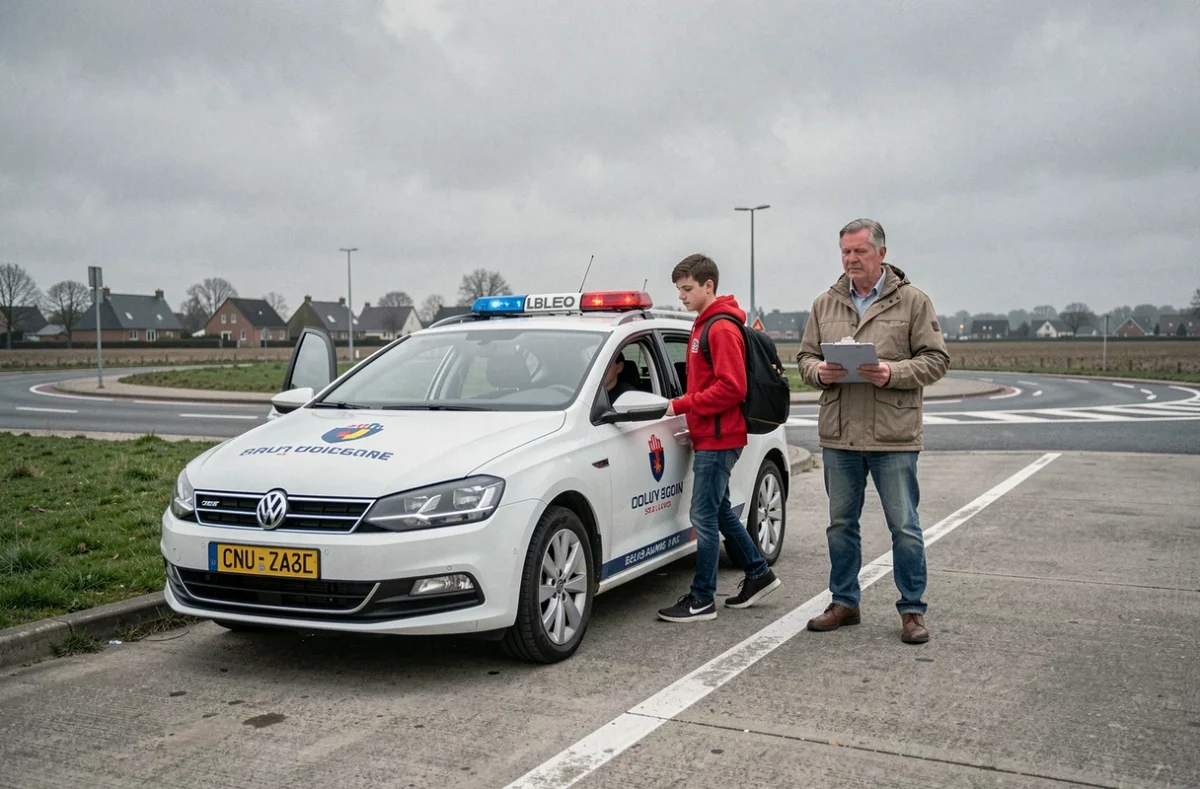
The Belgian highway network, dense but limited to 120 km/h, is well-suited for electric vehicles: the distances between urban areas rarely exceed a hundred kilometers. The service areas of the Walloon and Flemish highways have gradually equipped themselves with fast charging stations, but coverage remains uneven depending on the routes.
We observe that drivers accustomed to routes between Brussels-Antwerp or Brussels-Liège no longer encounter major autonomy issues. Routes to the south of the country, particularly to Belgian Luxembourg, still require more careful planning depending on the model.
Road safety in Belgium: the goal of zero deaths by 2050
Belgium has set a goal of zero fatalities on its roads by 2050. To achieve this, automated controls are multiplying. Evading detection will become increasingly difficult, according to federal authorities, who announce a strengthening of the detection network.
A specific issue concerns cyclists. Recent data shows that nearly half of the serious injuries on Belgian roads are cyclists. Improving automotive safety alone is not enough: cycling infrastructure and coexistence with motor vehicles remain ongoing challenges, particularly in Flanders where cycling is most prevalent.
- Section radars expanding on highways and national roads.
- Awareness campaigns targeting risky behaviors around schools (30 km/h zones).
- Road sharing with cyclists as a priority focus of regional policies.
The Belgian automotive landscape is characterized by this overlay of regional regulations, rapid fiscal changes, and a compact but heterogeneous road network in quality. An informed driver saves time, money, and avoids sometimes hefty fines, especially in LEZs where penalties are automated through license plate recognition.