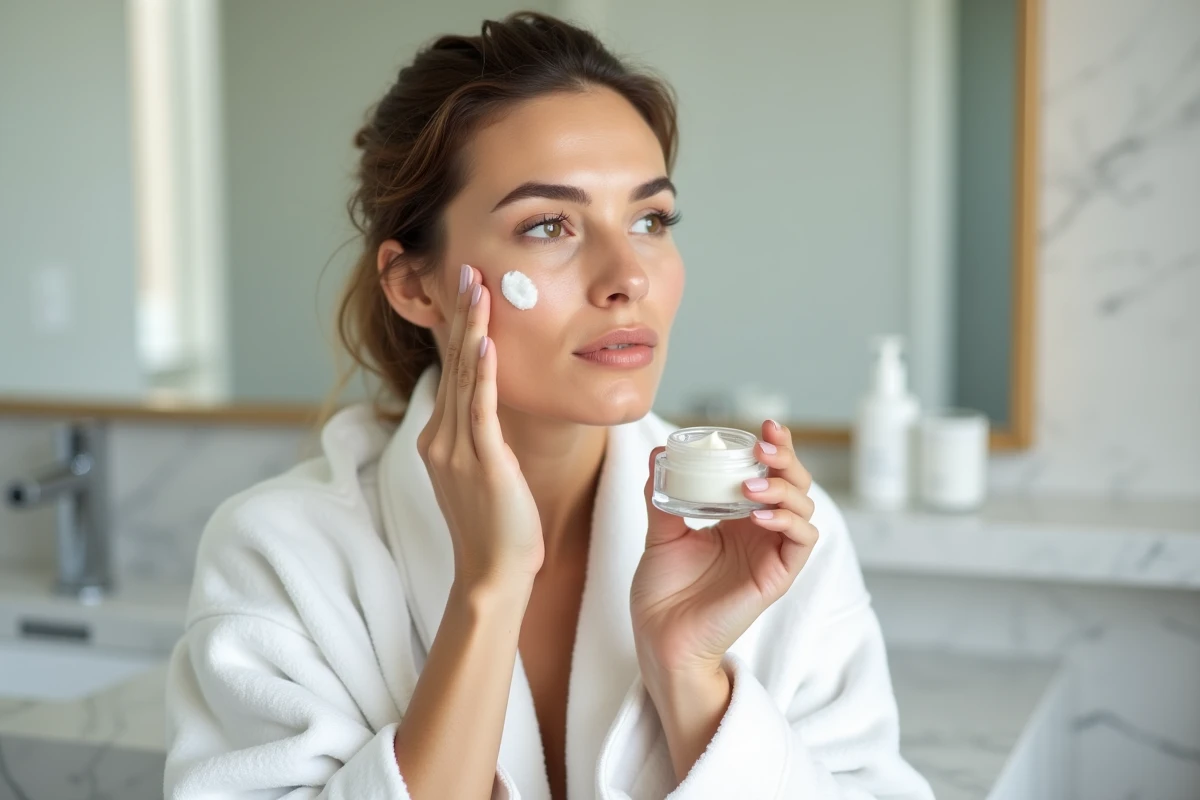
A skin that feels tight after every change of season, a serum that causes redness after three days, a night cream that leaves a greasy film without hydrating: we’ve all experienced this kind of disappointment. The natural reflex is to turn to products recommended by dermatologists. The reality is more nuanced, and understanding what lies behind these recommendations changes the way we choose our facial care.
Claim “recommended by a dermatologist”: what European regulations really require
When you turn over a tube of cream and read “dermatologically tested,” you assume that a panel of specialists has validated the formula. Since the implementation of Regulation (EU) No. 655/2013 and the update of the European Commission’s guidelines, this claim must be based on verifiable data: documented clinical studies, identifiable panels of dermatologists, published methodology.
In practical terms, a brand can no longer place the label “recommended by dermatologists” based on a simple marketing argument. The criteria for truthfulness and evidence impose traceability of the scientific approach. A facial cream that displays this label without being able to provide justification is at risk of having the claim withdrawn.
Many consumers confuse “dermatologically tested” (a dermatologist supervised a tolerance test) and “recommended by dermatologists” (practitioners actively endorse the product). The first phrase is a minimal regulatory standard. The second is more binding, and it is precisely this one that the regulations have tightened since the 2024 update.
Checking for the presence of a referenced clinical study on the brand’s website remains the most reliable way to distinguish serious care from a mere stamp of approval. To better understand how practitioners guide their patients, several resources detail the creams and products recommended by dermatologists according to skin type and targeted issues.
Active ingredients to prioritize according to skin type
Rather than listing brands, let’s focus on what dermatologists look at first in a formula: the INCI list. This determines whether a moisturizing treatment will actually strengthen the skin barrier or merely provide a temporary feeling of comfort.
Dry to atopic skin: ceramides and hyaluronic acid
A tight skin needs two things: to retain water and to rebuild the lipid film. Ceramides replicate the lipids naturally present in the stratum corneum. Hyaluronic acid captures water and retains it in the epidermis, provided that the molecular weight is appropriate. CeraVe and La Roche-Posay use this combination in several of their facial creams, which explains their frequent presence in dermatological prescriptions.
Oily or acne-prone skin: niacinamide and lightweight gel
A serum or gel based on niacinamide regulates sebum production without drying out. Lightweight, non-comedogenic textures avoid the occlusive effect that worsens imperfections. For this skin type, prioritizing a gentle cleanser before the moisturizer changes the outcome more than the choice of cream itself.
Mature skin: retinol and peptides
Retinol remains the most documented anti-wrinkle active in dermatology. Its use requires a gradual introduction to avoid irritation. Peptides complement the action by stimulating collagen synthesis. A concentrated serum applied in the evening, followed by a moisturizing cream in the morning with sun protection, constitutes the basic protocol that most dermatologists recommend.
“Microbiome-friendly” creams: the trend validated by dermatologists in 2025-2026
The Skin Health Alliance and the National Eczema Association report a significant increase in facial products designed to preserve the skin microbiome. These treatments contain prebiotics or postbiotics that nourish the skin’s protective bacteria instead of eliminating them.
Microbiome-friendly creams show a reduction in irritation compared to conventional moisturizers in studies conducted by these organizations, particularly on sensitive, atopic, or rosacea-prone skin. Specific labels and scientific committees including dermatologists now oversee this certification.
Feedback varies on this point depending on skin types, but the basic principle remains solid: a treatment that respects the skin ecosystem is less likely to provoke reactions. This is a selection criterion that is gaining weight in dermatological consultations.
Minimalist facial routine recommended by dermatologists
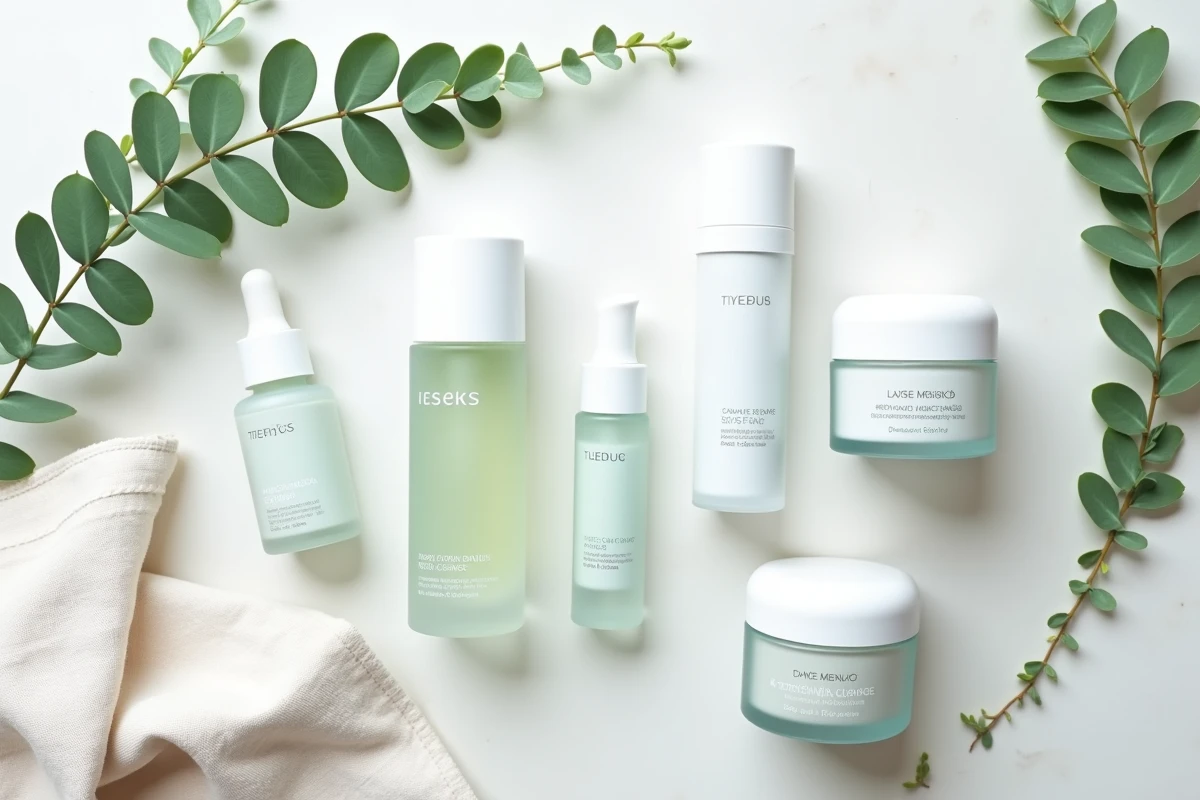
Using multiple products does not guarantee better results. An effective routine is based on three steps, morning and evening, that the majority of dermatologists consider the foundation of healthy skin.
- Gentle, soap-free cleanser: removes impurities without destroying the hydrolipidic film. A gel or micellar lotion is sufficient for most skin types.
- Targeted serum according to the issue: hyaluronic acid for hydration, niacinamide for sebum, retinol for wrinkles. Using only one serum at a time avoids interactions between actives.
- Moisturizing cream suited to skin type: rich texture for dry skin, lightweight gel for oily skin. The presence of ceramides or squalane strengthens the skin barrier.
In the morning, add a minimum SPF 30 sun protection, even in winter. UV exposure remains the primary factor in skin aging, and no anti-wrinkle serum can compensate for the lack of sun protection.
The classic trap is to layer an exfoliating cleanser, an acid serum, and an active cream on the same evening. The skin barrier struggles to handle this accumulation, especially on reactive skin. Spacing out powerful actives throughout the week yields better results than applying everything daily.
Choosing a facial treatment based on its composition and the scientific rigor of its claims protects better than a purchase guided by packaging or a vague mention. European regulations have established a framework, microbiome certifications add a layer of verification, and a short routine with documented actives remains the most consistent recommendation in dermatology.