Fashion in Paris is not limited to the official calendar shows or the windows of Avenue Montaigne. It is structured around neighborhoods that function as distinct ecosystems, each with its creators, sales formats, and dress codes. Understanding these dynamics allows one to spot Parisian fashion trends before they spread elsewhere.
Pop-ups and ephemeral showrooms: the new fashion circuit in Paris
Between 2022 and 2024, Paris Fashion Weeks saw a surge in ephemeral showrooms and designer pop-ups, particularly in the Marais and around République. According to the French Institute of Fashion, this ephemeral fashion economy has now become a pillar of the capital’s fashion appeal.
The phenomenon goes beyond a simple one-off event. Several buildings are rented almost exclusively for these seasonal activations. Digital-native brands, resale platforms, and young international designers present their collections outside the traditional circuit of trade shows.
This format has a direct consequence for the public: the best fashion discoveries often happen in temporary venues. Following announcements on social media from creators or checking the fashion section of Faits sur Paris remains the most reliable way to spot these events before they disappear.
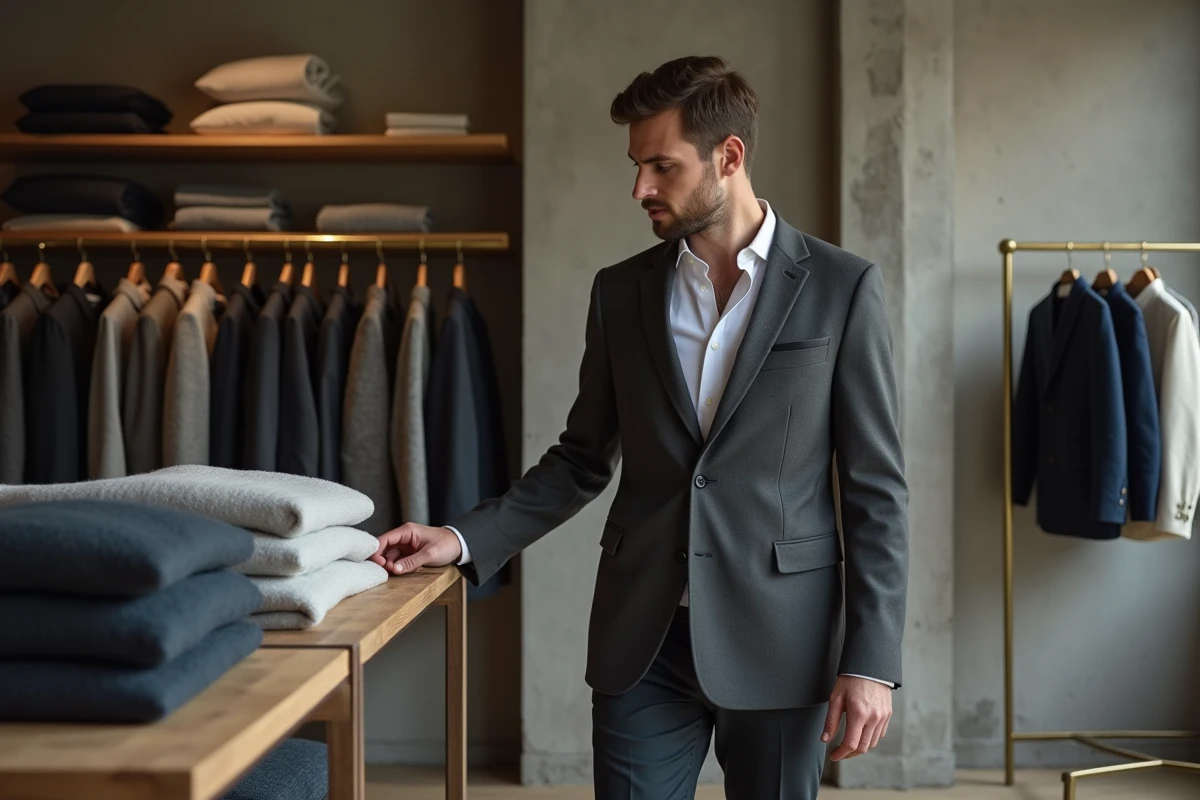
Creative neighborhoods in Paris: beyond the golden triangle
Shopping guides still focus on the golden triangle (Montaigne, George-V, François-Ier) and Saint-Germain-des-Prés. These addresses still exist, but the creative geography of Paris has shifted.
The 10th and 11th arrondissements, new fashion hubs
Since 2023, boutiques specializing in upcycling, recycled materials, or repairs have concentrated in the 10th, 11th, and northern Marais. Rue du Château-d’Eau, the Saint-Ambroise neighborhood, and the Haut-Marais host a growing density of eco-responsible Parisian labels.
This geographical shift reflects a change in clientele. Buyers frequenting these neighborhoods seek pieces at accessible prices, traceable materials, and direct contact with the creator, not a luxury showcase.
The Marais: still a crossroads, but transformed
The Marais remains the most densely packed fashion district in Paris. Its recent transformation is due to the coexistence of established concept stores, independent designer boutiques, and those famous seasonal pop-ups. This mix creates a constant renewal of offerings, making it a place to return to regularly rather than a destination to visit just once.
Afro-descendant creators and the diversity of Parisian design
A structuring trend that is little covered by traditional guides concerns the new generation of afro-descendant creators based in Paris. These designers bring textile influences, color palettes, and cutting techniques that expand the Parisian stylistic vocabulary.
Their presence is evident in both ephemeral showrooms and permanent boutiques in the 10th and 11th. Some participate in the official Fashion Week calendar, while others prefer independent presentations that attract an international clientele.
This movement illustrates a broader fact: Parisian fashion draws its vitality from its ability to integrate aesthetics outside the traditional French canon. The brands emerging today blend Parisian know-how with multiple cultural heritages.
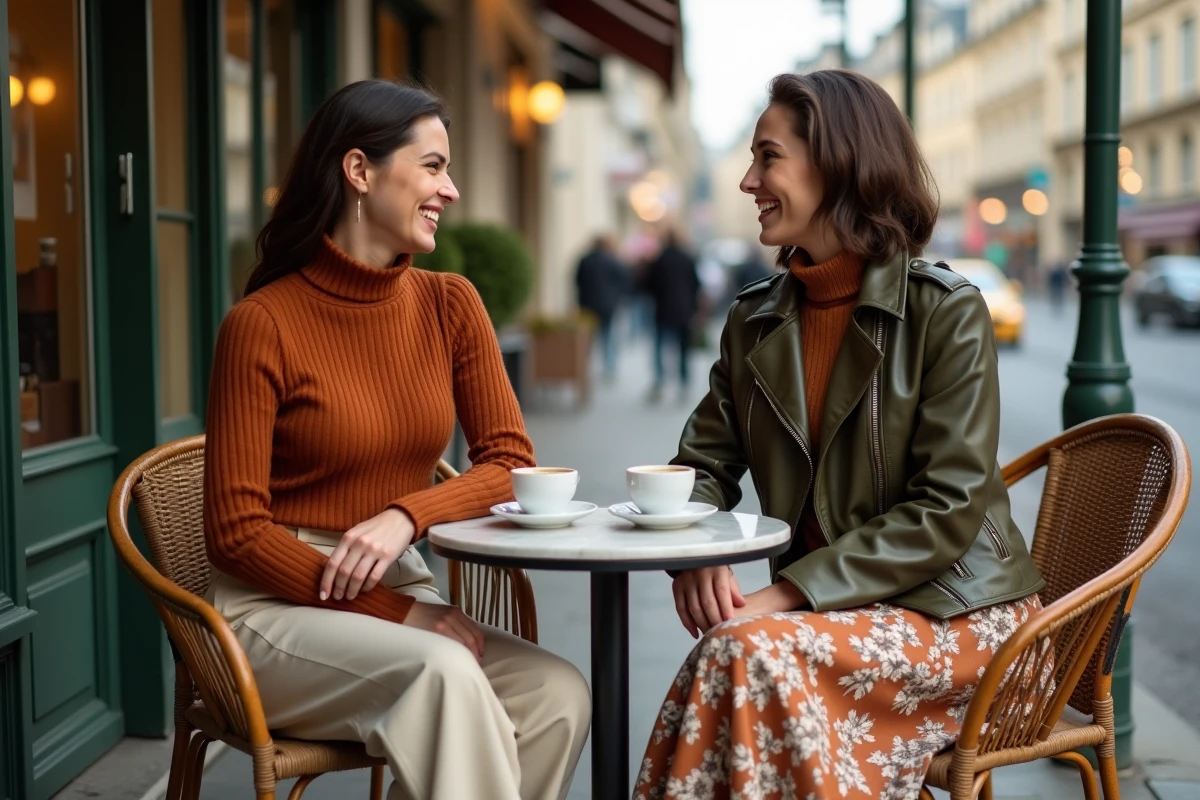
Styles and fashion trends in Paris: what to wear in 2025-2026
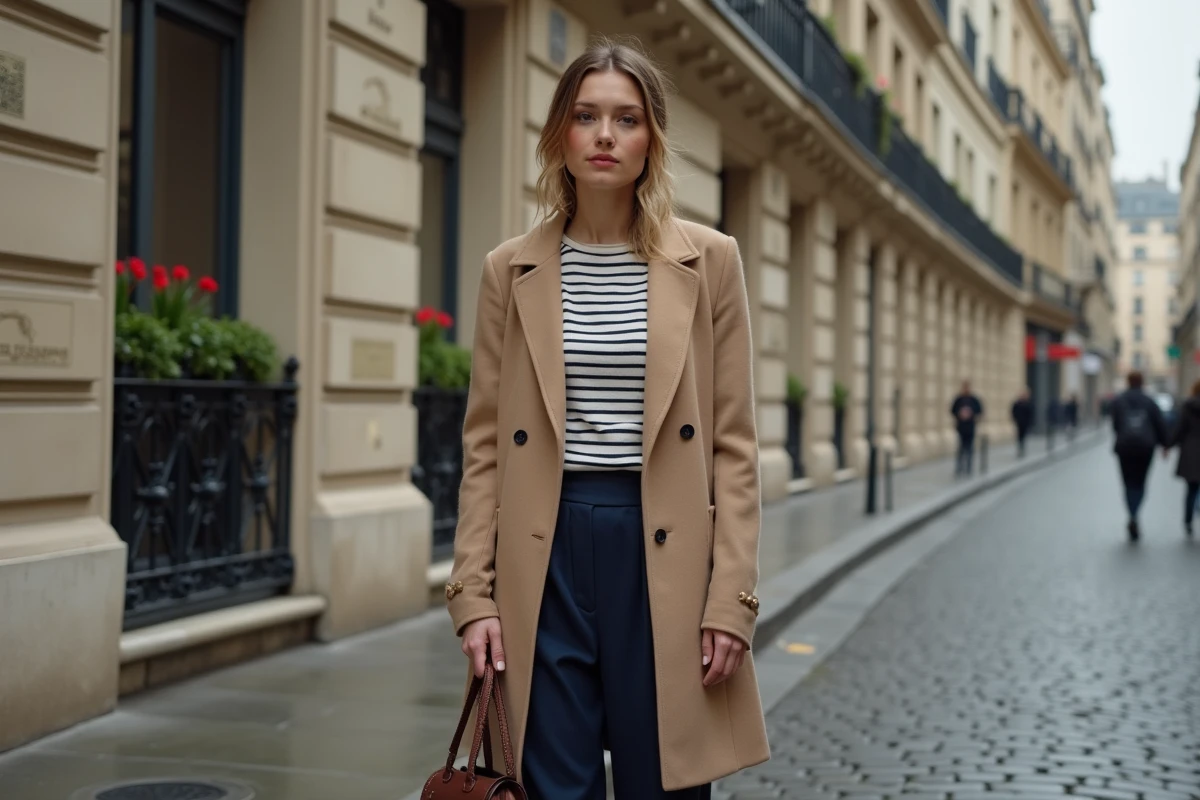
Identifying Parisian trends requires distinguishing between what is seen on the runway and what is observed on the street. The two do not always coincide.
- Upcycling as an aesthetic choice, not as a compromise: reworked pieces made from recovered fabrics, sold in boutiques in the Haut-Marais and the 11th arrondissement, with a level of finish that rivals classic ready-to-wear.
- The return of structured cuts and pronounced shoulders, visible in both emerging designers and established houses’ collections for the spring-summer and autumn-winter 2026 seasons.
- An earthy and saturated color palette, influenced by designers drawing from African, Asian, or South American textile traditions, breaking away from the black-and-white minimalism long associated with Parisian style.
- The concept store as a hybrid space: several Parisian addresses combine clothing, design, art, and dining in one space, blurring the line between shopping and cultural outing.
These trends are not fleeting fads. They reflect structural changes in the Parisian market, driven by a younger, more diverse clientele that is more attentive to the provenance of products.
Fashion addresses in Paris: how to spot the right boutiques
Rather than a list of stores that will be outdated in six months, a few criteria can help identify the addresses that truly matter.
- Favor boutiques that display the creator’s name and the origin of the materials. This transparency signals a sustainable positioning, not a passing trend.
- Check if the address hosts regular events (presentations, collaborations, workshops). A vibrant boutique renews its offerings and clientele.
- Beware of brands that present themselves as “concept stores” without offering real curation. The term has become so common in Paris that it has lost some of its meaning.
The neighborhoods of the 10th, 11th, and Haut-Marais today offer the best balance of independent boutique density, price accessibility, and originality of offerings. The golden triangle remains the territory of established luxury, with a different but complementary experience.
Parisian fashion operates in layers: historic houses set a framework, emerging creators shift it, and ephemeral formats accelerate the circulation of ideas. Following these three levels simultaneously provides a more accurate reading of what is actually happening in the streets of Paris.