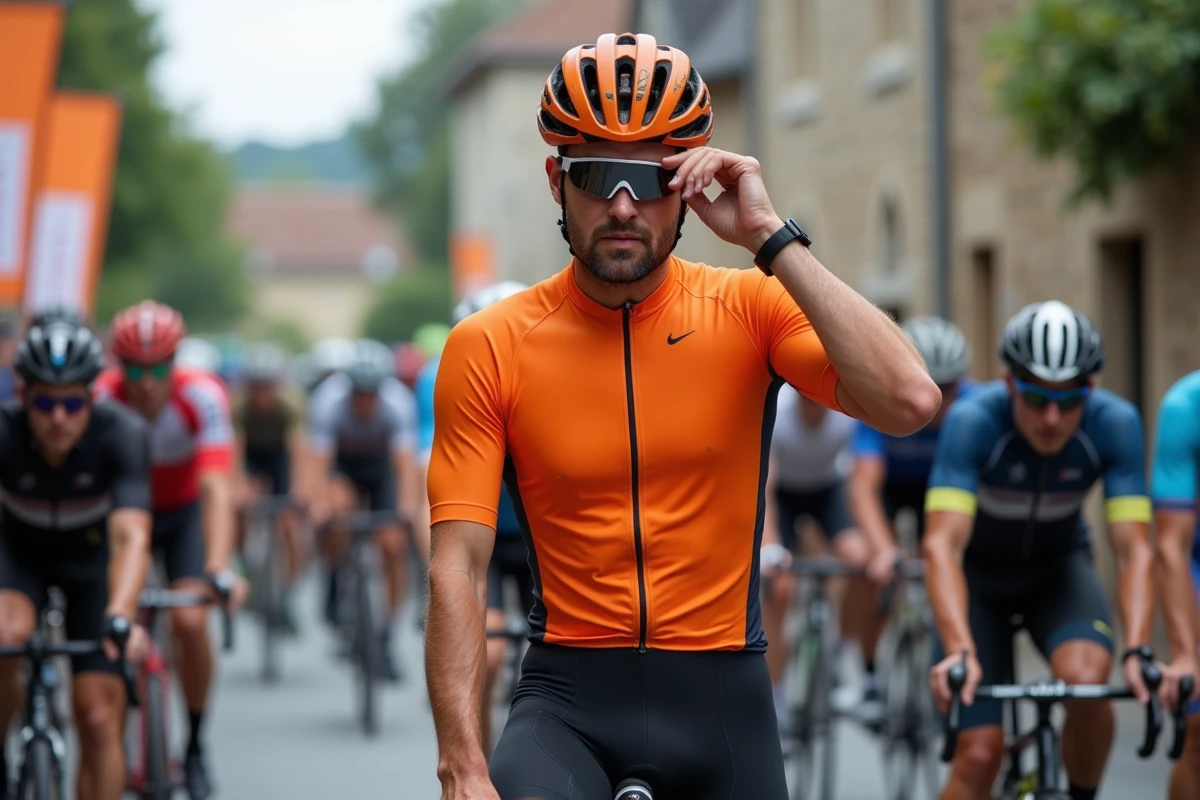
In France, the majority of cycling events organized under the auspices of the FFC require a competition license issued by an affiliated club. However, this regulatory framework allows some leeway for non-licensed participants, provided they clearly identify the type of event targeted and the implications regarding insurance. The arrangements vary depending on the federations (FFC, UFOLEP, FSGT) and the race format.
Insurance coverage for a non-licensed cyclist in a race
The least documented aspect concerns the actual protection of the non-licensed participant in the event of a serious accident. During a cyclosportive or mass event, the organizer subscribes to civil liability (RC) that covers damages caused to third parties. This organizer’s RC does not protect the runner themselves for their own injuries.
A FFC license holder benefits from individual accident insurance included in their license, with bodily injury guarantees (disability, death, medical expenses). The non-licensed participant starting via a day pass or medical certificate only has their own coverage: health mutual, life accident guarantee (GAV), or personal insurance.
The difference becomes significant in the case of serious fractures, head trauma, or long-term consequences. The organizer’s RC does not cover the bodily injuries of the participant themselves. For a non-licensed individual, checking the limits and exclusions of their GAV contract or mutual insurance before the start is a basic precaution, not a luxury.
To better understand the procedures and obtain an FFC license without a club, several options exist depending on the level of practice aimed at.
FFC discovery pass and individual license: what they really allow
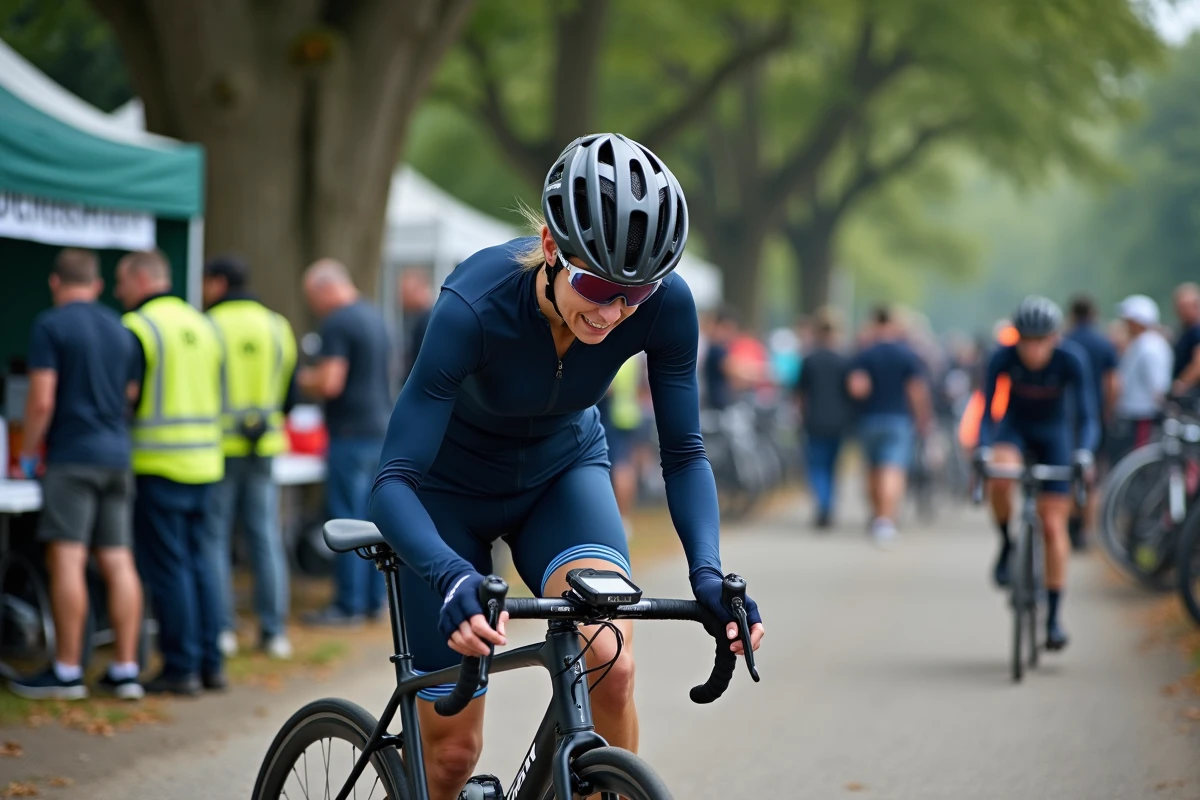
The FFC offers a discovery pass that allows participation in certain events without club affiliation. This scheme is aimed at cyclists wishing to test competition or participate occasionally in mass events (cyclosportives, gran fondo).
The individual FFC license operates on a similar principle. It is accessible via the online licensed space and allows participation in several disciplines (road, mountain biking, gravel, cyclo-cross) without restriction. However, the competition categories accessible with an individual license remain limited compared to those of a club license holder.
A point often misunderstood: the individual license does not grant access to federal races by categories (1st, 2nd, 3rd category). It opens access to timed mass events and guided rides. To join the classic competitive circuit with category ranking, affiliation to a club remains mandatory.
UFOLEP and FSGT races: parallel circuits with their own rules
The UFOLEP and FSGT provide two alternatives to the FFC circuit, with distinct logics.
The UFOLEP sports activity pass
The UFOLEP allows license holders from other federations (FFC, FSGT, FFTri) to participate in its competitions via a sports activity pass. This pass offers the same level of insurance as an UFOLEP license holder, but limits participation to three races maximum per season. Beyond that, the pass can no longer be used.
Purchase is only available online at the ufolep-cyclisme.org site. The registration fee for holders of this pass is increased by at least 30% compared to the UFOLEP license holder rate. This increase compensates for the absence of an annual fee to the federation.
The FSGT: ranking by sporting value
The FSGT operates with a category system based on the sporting value of the cyclist. Access to events for a non-licensed individual depends on the regulations of each departmental committee. The registration conditions vary more from one department to another than within the FFC or UFOLEP framework.

Medical certificate and online registration: the concrete steps
Regardless of the chosen circuit, a common set of documents is required for any non-licensed individual wishing to start.
- A medical certificate of non contraindication to competitive cycling, dated less than a year ago. Some organizers accept a certificate less than six months old according to their own regulations.
- A valid identification document for verification on the day of the event, sometimes as early as during online registration.
- The payment of a registration fee that includes the organizer’s RC but no individual accident coverage.
Most cyclosportives use online registration platforms. The regulations for each event specify the documents to provide and the categories open to non-licensed participants. The 24 Heures Vélo Škoda, for example, detail in their regulations the access conditions for participants without a federal license.
Events open to non-licensed participants: rides, cyclosportives, and invitation races
The distinction between rides, cyclosportives, and federal competitions directly conditions the access of non-licensed individuals.
- Rides (road, gravel, mountain biking) are open to everyone, generally without official ranking. The medical certificate is sufficient in most cases.
- Cyclosportives (timed mass events) accept non-licensed individuals with a medical certificate and an increased registration fee. The ranking is indicative, without federal value.
- Federal races by categories require a competition license issued by an affiliated club. No day pass allows participation.
The boundary between cyclosportive and federal competition remains the determining criterion for whether a non-licensed individual can register. In case of doubt, the event regulations, usually available in PDF on the organizer’s website, clarify the issue.
The choice between an individual FFC license, UFOLEP pass, or simple registration as a non-licensed participant depends on the anticipated frequency of participation. For one or two events per year, the medical certificate alone may suffice. Beyond three participations, a license becomes financially and administratively simpler than accumulating passes and additional costs for each registration.